Back
Fundamentals of Logistics Strategies

Fundamentals of Logistics Strategies

Logistics strategies play a crucial role in the effective management of modern supply chains and directly determine the competitiveness of businesses. A well-structured logistics approach ensures the operational, safe, and cost-optimal delivery of products and services from the source to the end consumer.

The foundation of logistics management includes planning, route optimization, proper resource allocation, and control of operational processes. These principles allow companies to reduce time loss and minimize logistics costs, enabling more efficient operations.

Digital transformation holds significant importance in modern logistics strategies. Proper management of information flow, real-time tracking systems, and analytical approaches make logistics processes more transparent and manageable.

In international cargo transportation, the correct implementation of logistics strategies reduces risks, facilitates more efficient route planning, and ensures the timely meeting of customer demands. This approach provides stability and sustainability at all stages of the supply chain.

Kometa KZ applies modern approaches to logistics strategies, offering faster, safer, and more efficient international cargo transport solutions to its customers.

Related blogs
Transport Logistics Concept and Strategic Management

Planning, Coordination, and Security Standards in the Global Movement of Goods

Kometa KZ views transport logistics as a complex management system that ensures the continuity of business, not just the movement of goods from one point to another. For business owners, the process of delivering goods internationally requires precise planning, operational coordination, and continuous monitoring. While transport refers only to the physical movement, logistics encompasses the entire intellectual infrastructure behind this process—ranging from route optimization to risk management. Cross-border transportation, which involves different countries’ laws and customs procedures, requires a professional approach to avoid time loss and additional costs, which is a key factor in optimizing logistics operations.

Functional Stages of the Logistics Process and Execution Mechanism

Effective Route Selection, Transport Models, and Real-Time Monitoring

The core functions of successful transport logistics rely on the coordination of various stakeholders—drivers, port operators, and customs authorities—working as a unified mechanism. When selecting the most effective and cost-efficient route for each shipment, Kometa KZ carefully analyzes the balance of time, cost, and risk. Depending on the cargo’s size and characteristics, full truck load (FTL) or less than truck load (LTL) models are applied. Real-time tracking technology allows the customer to track the movement of the cargo, while enabling preemptive forecasting of risks such as weather conditions or technical delays, and operationally implementing alternative plans.

Modern Transportation Methods and Multimodal Solutions

Flexible Logistics Models through the Synergy of Road, Sea, and Air Transport

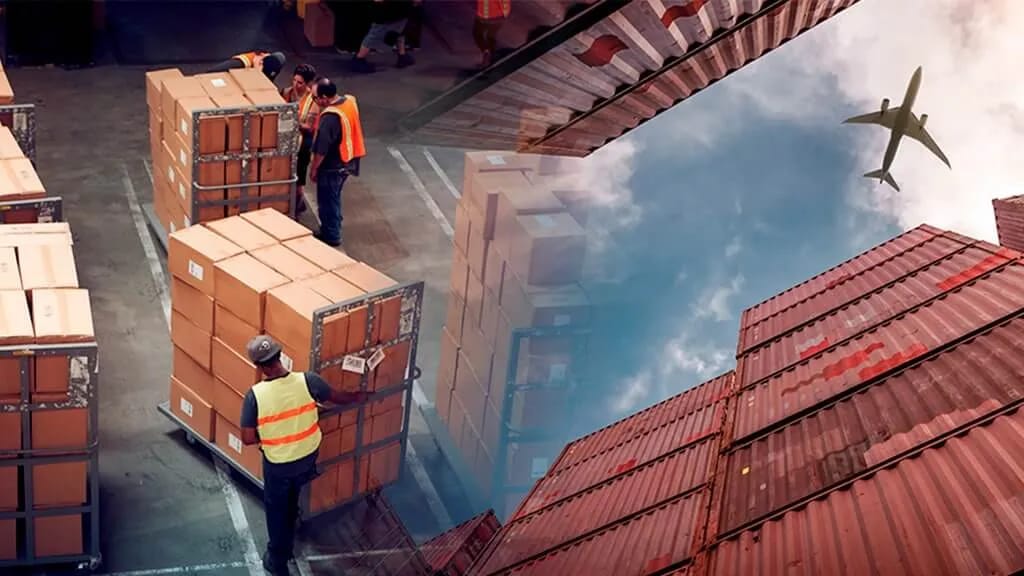
The methods applied in international freight transport are diversified according to the specific needs of the business. While road transport stands out for its flexibility, sea transport is considered the most optimal financial solution for large-volume cargo; air transport, on the other hand, is the most effective choice when speed is critical. Kometa KZ manages the entire process through multimodal transportation, using a combination of different transport modes, with one operator assuming responsibility. This integrated approach leads to reduced logistics costs, more flexible planning, and effective distribution of risks, providing our customers with a competitive advantage in global markets.

More